BARCODE LABELS
- Home
- Labels
- Logistic Label
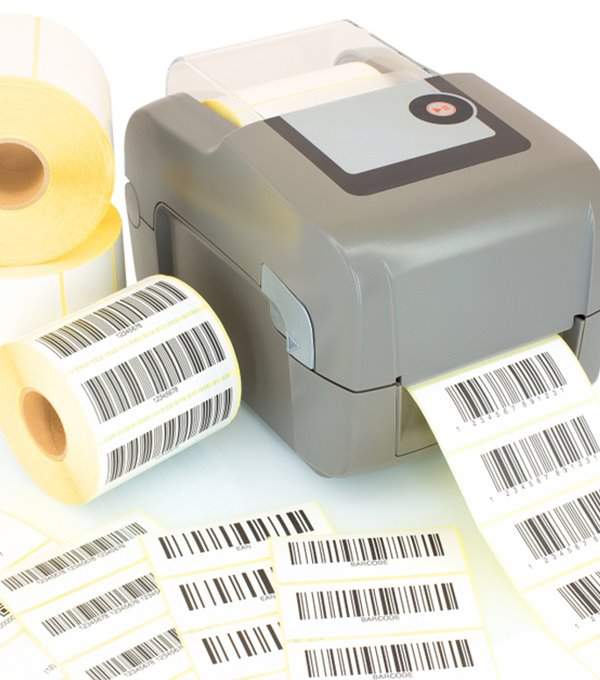
Barcode labels are machine-readable labels that contain encoded data represented by a series of black bars and white spaces. They are widely used across industries for product identification, inventory management, and tracking purposes. The barcode system simplifies processes such as retail checkout, inventory control, and supply chain management by enabling quick and accurate data capture with the use of barcode scanners or mobile devices equipped with camera sensors. Barcode labels come in various formats, including linear barcodes like UPC and EAN, as well as two-dimensional barcodes such as QR codes and Data Matrix codes. These labels play a crucial role in enhancing operational efficiency, reducing errors, and improving overall productivity in businesses worldwide.
Barcode Labels in Singapore
Barcode labels are popular in Singapore, particularly in the retail and logistics sectors. They are widely used for inventory management, product tracking, and retail checkout processes. Barcodes streamline operations, reduce errors, and enhance efficiency in various industries, making them a prevalent technology in Singapore’s business landscape.
Our range of barcode labels
Key Features of Barcode Labels
Universal Product Identification:
Barcode labels provide a standardized method for identifying products, allowing for seamless integration into inventory management systems and facilitating efficient stock tracking and replenishment processes.
Automated Data Capture:
One of the primary features of barcode labels is their ability to facilitate automated data capture. Barcode scanners or mobile devices equipped with camera sensors can quickly read and interpret barcode data, eliminating the need for manual data entry and reducing the risk of human error.
Versatility and Scalability:
Barcode labels come in various formats and sizes, catering to different application requirements. They can be easily customized to include specific product information or branding elements, making them suitable for diverse industries and use cases. Additionally, barcode systems are highly scalable, capable of handling large volumes of data and accommodating the evolving needs of businesses over time.
Enhanced Efficiency and Accuracy:
By streamlining processes such as inventory management, order fulfillment, and asset tracking, barcode labels help businesses improve operational efficiency and accuracy. They enable real-time visibility into inventory levels, reduce stockouts and overstock situations, and facilitate faster decision-making.
Cost-Effectiveness:
Implementing barcode systems is generally cost-effective compared to other identification methods. Barcode labels are relatively inexpensive to produce, and the technology required for barcode scanning is readily available and affordable. Moreover, the time and labor savings achieved through barcode automation can result in significant cost savings for businesses in the long run.
Integration with Information Systems:
Barcode systems can seamlessly integrate with existing enterprise resource planning (ERP) systems, warehouse management systems (WMS), and point-of-sale (POS) systems, enabling seamless data exchange and synchronization across different business functions. This integration enhances data accuracy, visibility, and decision-making capabilities across the organization.


Types of Barcode Labels
- Predefined Bar Code Label: These labels possess predefined bar codes in sequence or same barcode printed across the whole bundle. It is ideal for small businesses, without having to allocate a business-grade barcode printer.
- Blank Labels: Blank labels of various sizes, quality and manufacturers to be used for bar code printing.
- Removable Label: Labels you can remove and reposition without leaving residue behind.
- Thermal Transfer Label: Roll labels for thermal transfer printer, produce durable, long-lasting images on a wide variety of materials